Only Beginners will ignore these Music Editing Tricks
 Jordy Vandeput
29K views
Learn how to edit music with these 5 unique Beginner techniques and use the full power of music in your videos.
Selecting the perfect music for your video edits isn't as simple as scrolling through a music library, picking a tune, and adding it to your edit. Music is much more than an accessory. It's a transformative element that significantly impacts the emotional resonance of your videos. The power of music is astonishing. It can completely alter the viewing experience of a horror scene depending on whether you use no music, cheerful music, or chilling music.
So, let's delve into five insider tips on how to leverage the power of music in your video edits like a pro.
The power of music in editing
Ever wondered why certain movie soundtracks induce a sense of palpable tension? One of the techniques employed is the 'Shepard Tone'. This auditory illusion creates the perception of a tone that eternally ascends or descends in pitch but never reaches a climax.
The Shepard Tone has been a key component in high-tension films like 'Dunkirk' and 'The Dark Knight,' where the suspense continually builds, keeping viewers on the edge of their seats.

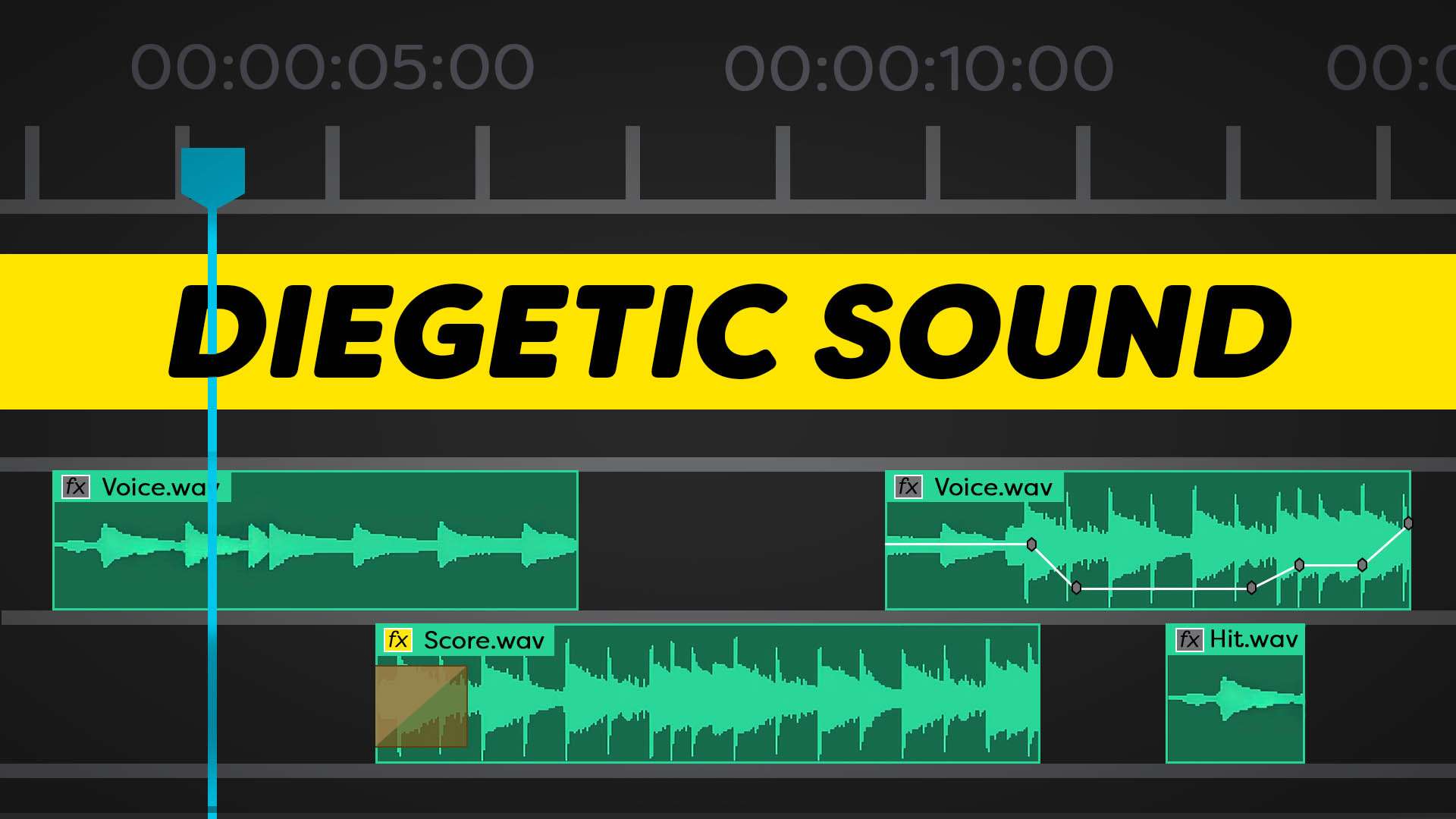
While music forms the core of your scene's auditory experience, integrating it with sound design elements can enhance its effect. Combining rhythmic music with ambient sounds and sound effects can create a captivating soundscape.
Whether it's a punch, a grunt, or a car honking in an action-packed scene, each sound, when used judiciously, amplifies the overall impact. In the realm of sound design, less is indeed more. Each sound you use hits harder, and commands more attention when the auditory field isn't overcrowded.
The next technique is called Quiet-Loud and is an effective tool for creating contrast and inciting shock. It involves leading the viewer into a serene scene with soft, muted sounds and then abruptly introducing a loud, startling sound.
The technique can evoke a strong reaction, catapulting the viewer out of their comfort zone. Silence, as part of this technique, can further intensify the suspense, leading to an even more impactful reveal.
Next up is Foreshadowing through music and it's about creating a musical signature for specific characters or events. This technique helps to guide viewers' emotions and expectations, subtly hinting at what's about to unfold.
The use of Sub-Bass, sounds almost too low to hear but hard to ignore. It's another effective technique in suspenseful genres. While viewers may not consciously register these sounds, their body does, creating an undercurrent of unease and anticipation.
In the realm of video editing, mastering the use of music and sound design can lead to impactful storytelling. Keeping your audiences engaged and yearning for more.
Lickd
Big thanks to Lickd for sponsoring this video and providing us with licensed popular music for us to use in our video. Get yourself your first song and improve your video quality with popular music.
Jordy Vandeput
Founder of Cinecom · 2.75M+ subscribers on YouTube
Jordy Vandeput is a Belgian filmmaker who has taught practical filmmaking to millions through Cinecom. He breaks professional techniques down into clear, repeatable steps you can use on your very next project.




0 comments