How to Create an AUDIO SPECTRUM VISUALIZER (Premiere Pro Tutorial)
 Jordy Vandeput
176K views
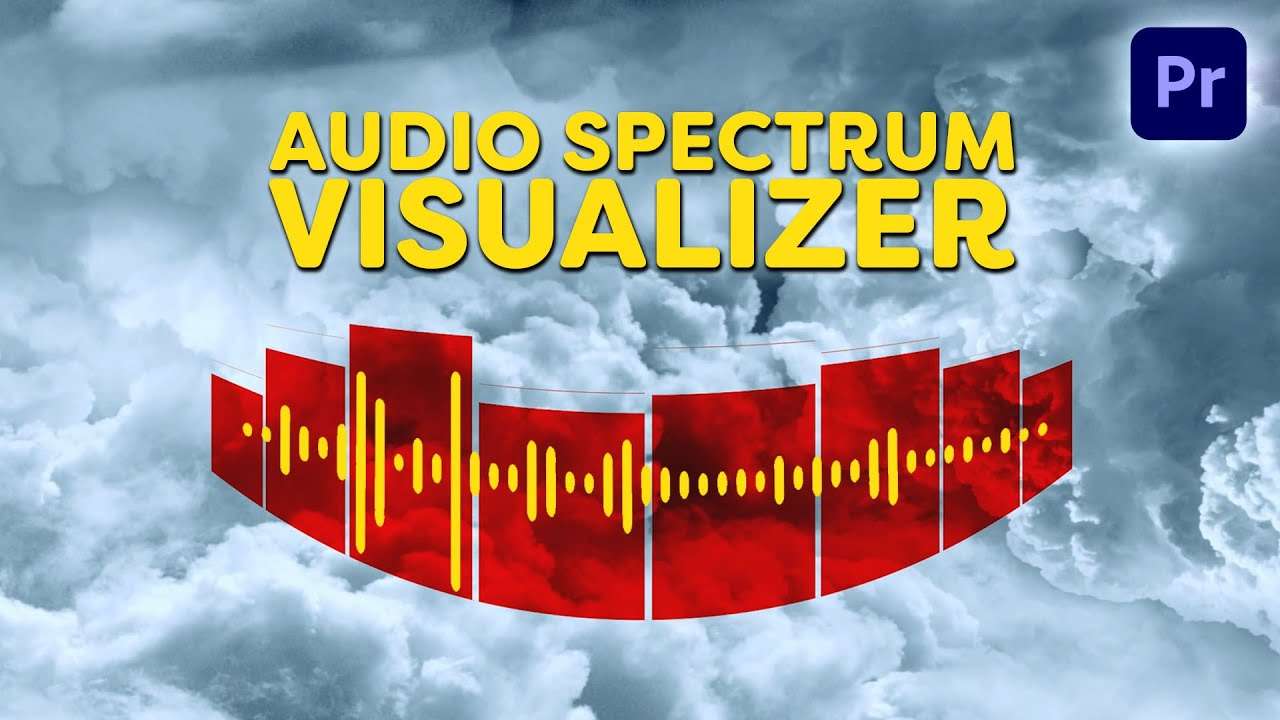
Learn how to create an audio spectrum visualizer in this beginner tutorial in Adobe Premiere Pro.
Create an audio spectrum visualizer in premiere pro
What is an audio spectrum visualizer?
An audio spectrum visualizer is a visual element, mostly a wave or bars that indicate the different levels of frequencies of a song or other type of audio. We can easily create this in Adobe After Effects. But since we are Premiere Basics we love finding ways to create this in Adobe Premiere Pro.
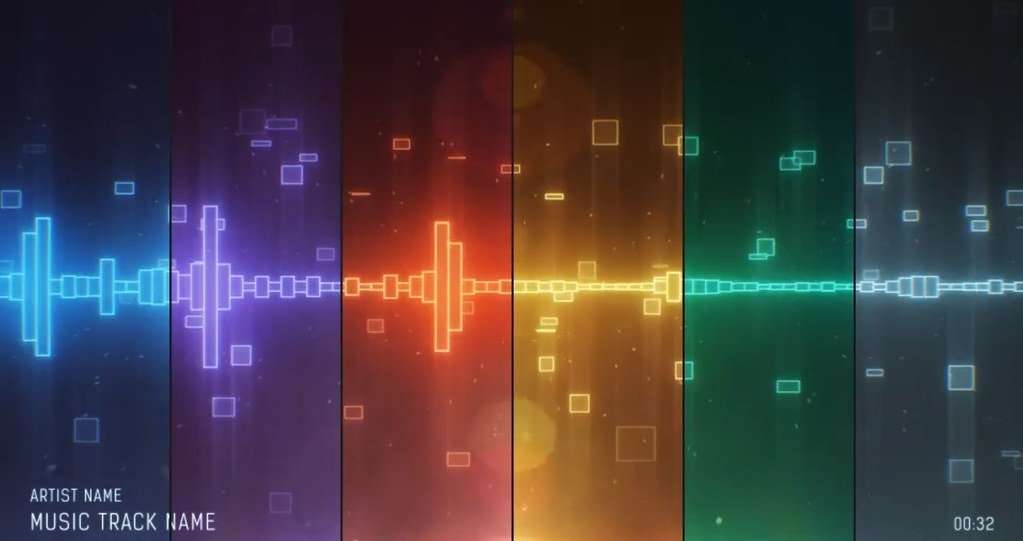
Recording the visualizer in Premiere pro
What we need is a song which we want to visualize, I got mine from Audiio.com. Then we drag this into the timeline and use the graphics equalizer (10 bands) effect on it. This let's you play around with all the different frequencies of the music. Drag all the sliders down and only leave the first one at 0dB.
Then use a software program that can record your screen. For Mac users I recommend Quicktime player, for Windows users who use Windows 10 you can simply use the windows key + G. This will give you the Windows game bar where you can record from. Another free sollution for recording your screen is Streamlabs OBS.
Once you've started recording, play the song in Premiere and record the audio meters. Once done, go back into Premiere Pro, open the graphic equalizer effect, drag the left slider down and set the second slider to 0 dB. Then record and play the music again. Keep on doing this until you've recorded every slider of this effect.
Creating the audio visualizer
Place all of the recorded files in the timeline, select them all, right click and select synchronize clips. Then set the synchronize point to audio and track channel 1 (this is where you should place your original audio file). Then let Premiere Pro do it's thing and once done, everything will be perfectly synced.
Next use the crop effect to crop only the part where the audio meter is visible. Copy and paste this effect onto all the layers since you've shot everything from the same screen. Then use the motion properties from within the effect controls panel to resize and place everything like you want it to look. Then make an adjustment layer and place this above all layers. Place the lumetri color effect on it, go to the curves tab and make an inverted contrast curve.
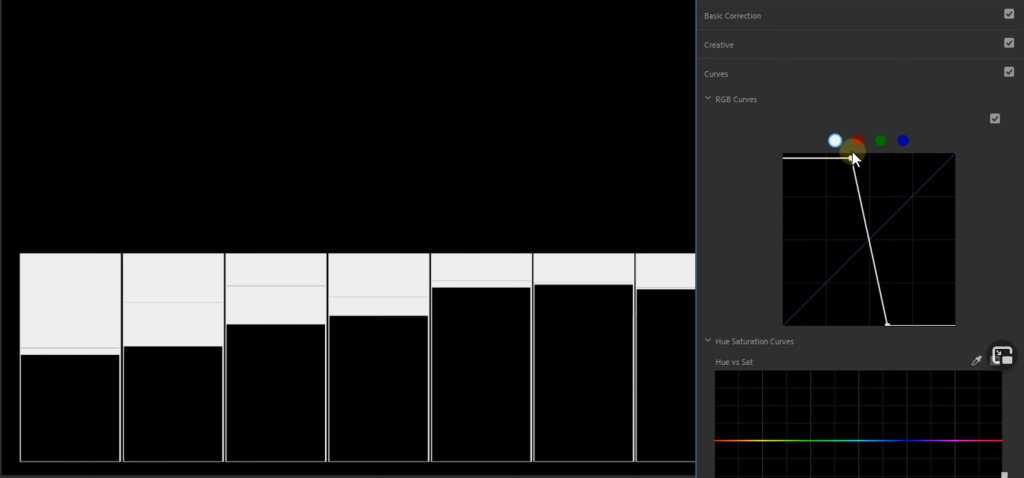
Then select all the layers, right click and nest them. Set the opacity to darken and voila, it's done. If you want to color your visualizer you can also use the tint effect on it. For extra effects or looks, nest it again and play around with effects to customize your look.
How to find high quality sound effects and music?
If you want to access to thousands of high quality sound effects and music then have a look at Audiio, it's an online library where you can create a super cheap subscription which gives you access to an insane libary which you can use on all of your projects.
Jordy Vandeput
Founder of Cinecom · 2.75M+ subscribers on YouTube
Jordy Vandeput is a Belgian filmmaker who has taught practical filmmaking to millions through Cinecom. He breaks professional techniques down into clear, repeatable steps you can use on your very next project.




0 comments